
Education News
Did Trump Eliminate the Department of Education?
MARCH 10, 2025
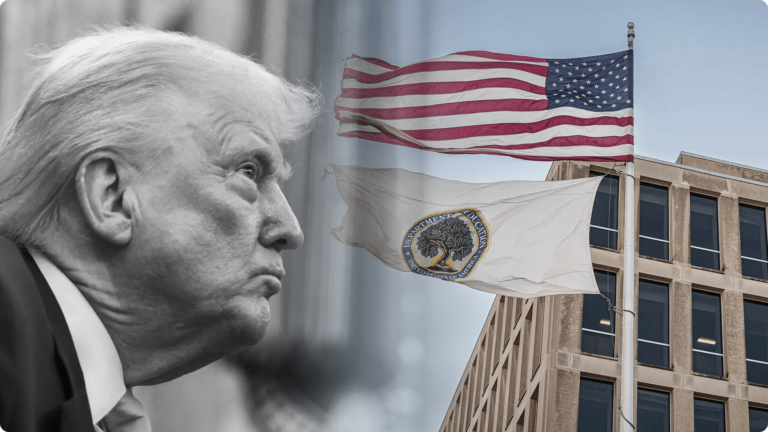
Photo Credit: Evelyn Hockstein/Reuters, Getty/J. David Ake
Did Trump Eliminate the Department of Education? Here’s What You Need to Know
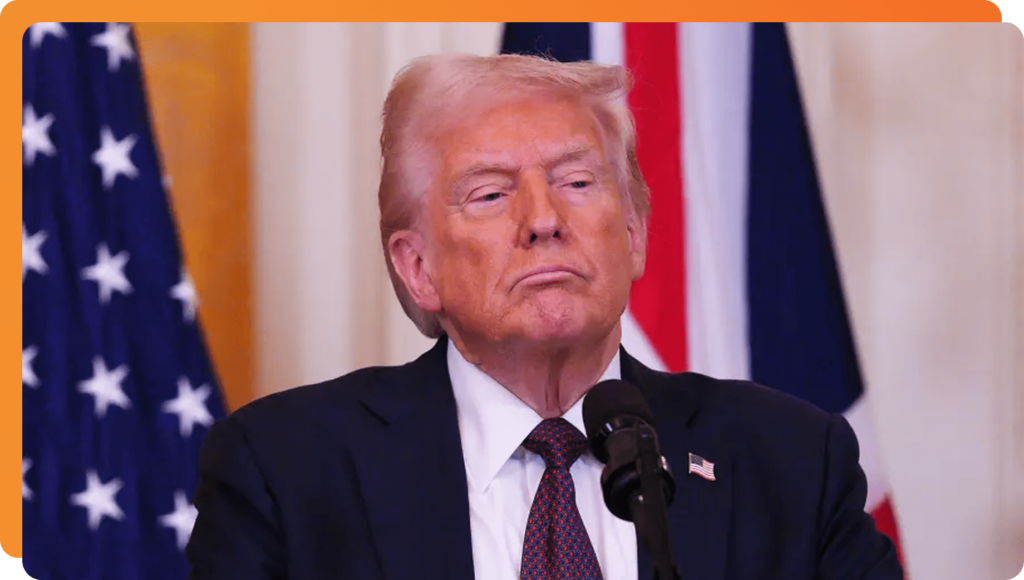
Since taking office in 2025, President Donald Trump has aggressively pursued his agenda to downsize the federal government. A major focus has been Trump’s Department of Education elimination efforts, as he has long argued that education should be managed at the state and local levels rather than by the federal government.
But has he actually succeeded in eliminating the Department of Education? Here’s what we know so far:
Trump’s Push to Dismantle the DOE
Trump has repeatedly stated his intention to abolish the Department of Education, aligning with his broader vision of reducing federal oversight in favor of state governance. To execute this plan, he appointed Linda McMahon, former head of the Small Business Administration and co-founder of WWE, as Secretary of Education. Her primary goal? Lead the closure of the DOE and shift education responsibilities to individual states (People).
In March 2025, reports surfaced that Trump was preparing to sign an executive order that would weaken the DOE’s authority by shifting much of its funding and responsibilities to state governments (New York Post). However, executive orders alone cannot fully dismantle a federal agency—Congress must approve such a move.
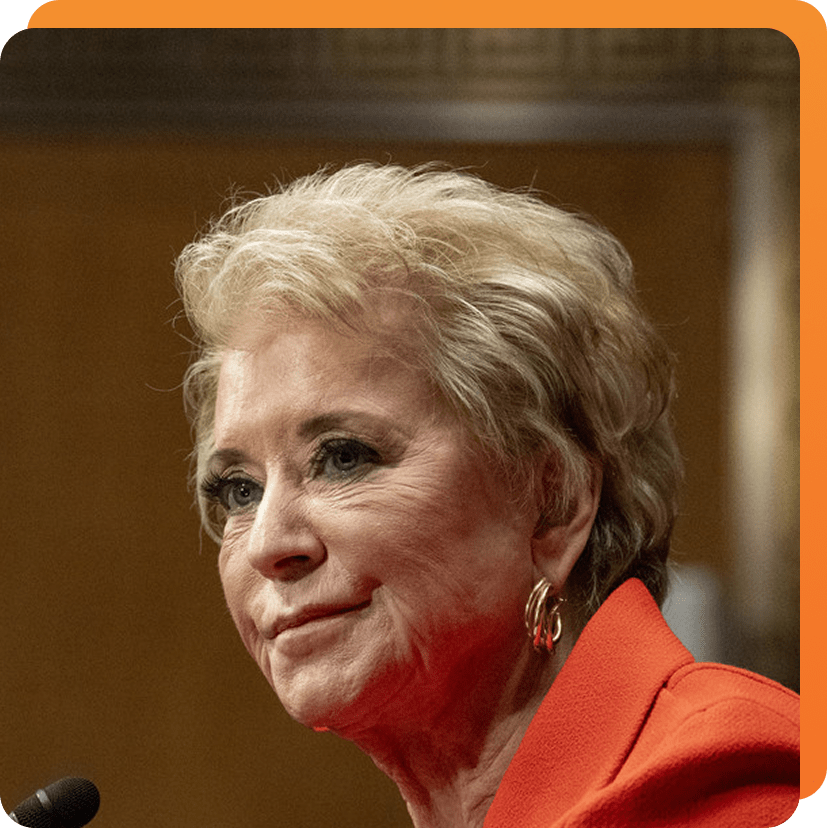
Photo Credit: Jacquelyn Martin/AP
What’s Happening to the DOE Now?
- Budget and Staff Cuts: The DOE’s budget has been slashed by nearly 30%, reducing federal education spending by $240 billion over five years. The department has also cut 7,500 jobs, shrinking its workforce by over 60%.
- Teacher Training Grants Eliminated: Over $600 million in teacher training grants were cut, particularly those funding diversity, equity, and inclusion (DEI) initiatives (Department of Education).
- Pell Grant Shortfall: The Pell Grant program, which supports over 6.8 million low-income college students, faces a $2.7 billion shortfall in 2025, expected to grow to $10 billion by 2027 (Wikipedia).
- The Role of DOGE: The newly created Department of Government Efficiency (DOGE), led by Elon Musk, has flagged the DOE for excessive spending and recommended further budget cuts (Business Insider).
- Congressional Resistance: While Trump has pushed executive actions to weaken the DOE, full elimination requires Congressional approval. So far, there hasn’t been enough support to completely abolish the department (New York Post).
How Is This Affecting Education in the U.S.?
The downsizing of the DOE has had far-reaching consequences for students, teachers, and schools. Here’s a closer look at the biggest impacts:
- Increased State Control
With the DOE’s role reduced, states now have more autonomy over education policies, curricula, and funding. Some states have used this opportunity to expand school choice and charter schools, while others struggle to maintain quality education without federal oversight.
- Unequal Funding and Resource Allocation
The federal government previously contributed 6%–13% of total K-12 funding. With these cuts, states must fill the gap—but many are unable to do so, leading to:
-
- Rising class sizes (some schools now have 35–40 students per teacher).
- Outdated learning materials (some states are delaying textbook purchases).
- Underfunded public schools in low-income states struggling to maintain operations.
- Reduced Federal Education Programs
Several major federal education initiatives have been cut or reduced, including:
-
- Title I funding for low-income schools (affects 2.8 million of the nation’s most vulnerable students).
- Special education grants, reducing support for children with disabilities.
- Pell Grants, making college less affordable for millions of students.
- Changes in Standardized Testing and Accountability
With less federal oversight, many states have eliminated or revised standardized testing requirements. While this provides more flexibility, it also raises concerns that students are being held to lower academic standards.
- Impact on Teachers and School Districts
-
- Teacher Pay Stagnation: Many states report that teacher salaries have not increased in three years, leading to higher turnover rates.
- Severe Teacher Shortages: Without federal incentives, some rural and urban schools have over 15% teacher vacancy rates.
- Certification Variations: States now have different teacher licensing requirements, making it harder for teachers to move across state lines for jobs.
- Expansion of Private and Charter Schools
The Trump administration has aggressively promoted school choice, leading to more taxpayer dollars being funneled into private and charter schools. While this expands education options, public schools in some areas are losing students and funding, forcing some to close entirely.

Photo Credit: Getty/J. David Ake
What’s Next for Education Policy?
What’s Next for Education Policy?
Even though the DOE still exists, its influence has been greatly diminished under Trump’s second term. The future of federal education policy depends on:
✅ If Congress supports Trump’s full elimination plan, education will become entirely state-controlled.
❌ If opposition blocks further cuts, some federal programs may be restored.
🔄 If a new administration takes over in 2029, the DOE could regain power and funding.
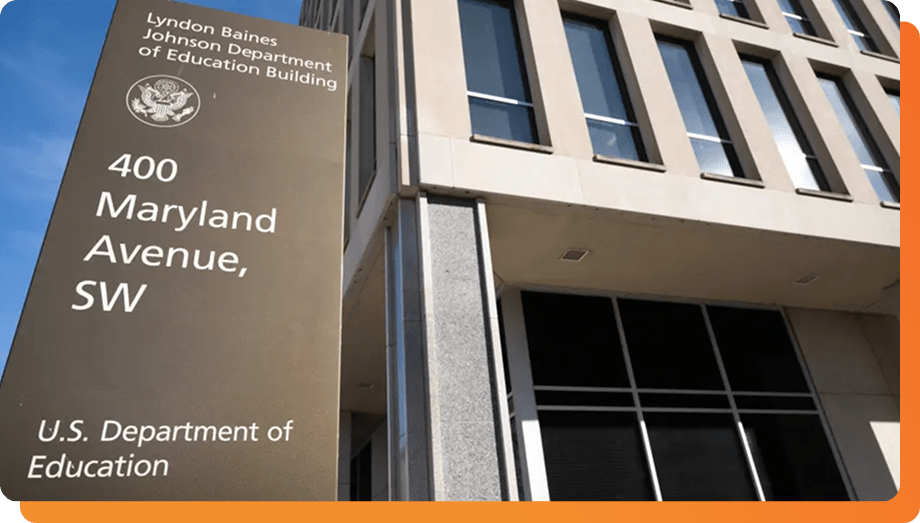
Photo Credit: AFP via Getty Images